

Business Broker Fees in Australia: Why We Charge 4% When the Standard Is 8 to 10%
What Selling a Business Actually Costs
Business broker commissions in Australia generally sit somewhere between 5% and 10% of the sale price. For smaller businesses, the ones under a million dollars, fees commonly land in the 8 to 10% range, and can go higher again if the business is considered difficult to sell.
That's not the whole bill either. Most brokers also charge an upfront marketing fee, typically $4,000 to $6,000, payable whether or not the business ever sells.
Then there's the minimum commission clause. These usually sit between $15,000 and $30,000, and they matter more than most sellers realise. Below a certain sale price the percentage stops applying altogether and you simply pay the minimum. On a $150,000 business, a $25,000 minimum is effectively a 17% commission.
Put that against a business selling for $600,000. At 10%, the commission alone is $60,000. Add the upfront fee and the owner is out $64,000 to $66,000 on a sale they spent years, sometimes decades, building toward.
We charge 4%.
Why the Numbers Got That High in the First Place
The traditional broking model explains most of it.
In a conventional brokerage, one broker does everything. They prospect for listings, appraise the business, write the marketing, field the buyer enquiries, qualify the buyers, manage the negotiation, and shepherd the deal through to settlement. One person, every task, from first phone call to final signature.
That is an enormous amount of work for one set of hands, and it's slow. It also means the broker is only ever partly focused on selling your business, because they are simultaneously chasing the next listing to keep their own pipeline alive. Add to this that your business is worth less than $600k, their limited attention often gets prioritised on the bigger sales. Same amount of work, but bigger payoff.
High commissions are what that inefficiency costs. You are not paying for expertise. You are paying for a structure that was never designed around the seller.
What We Changed
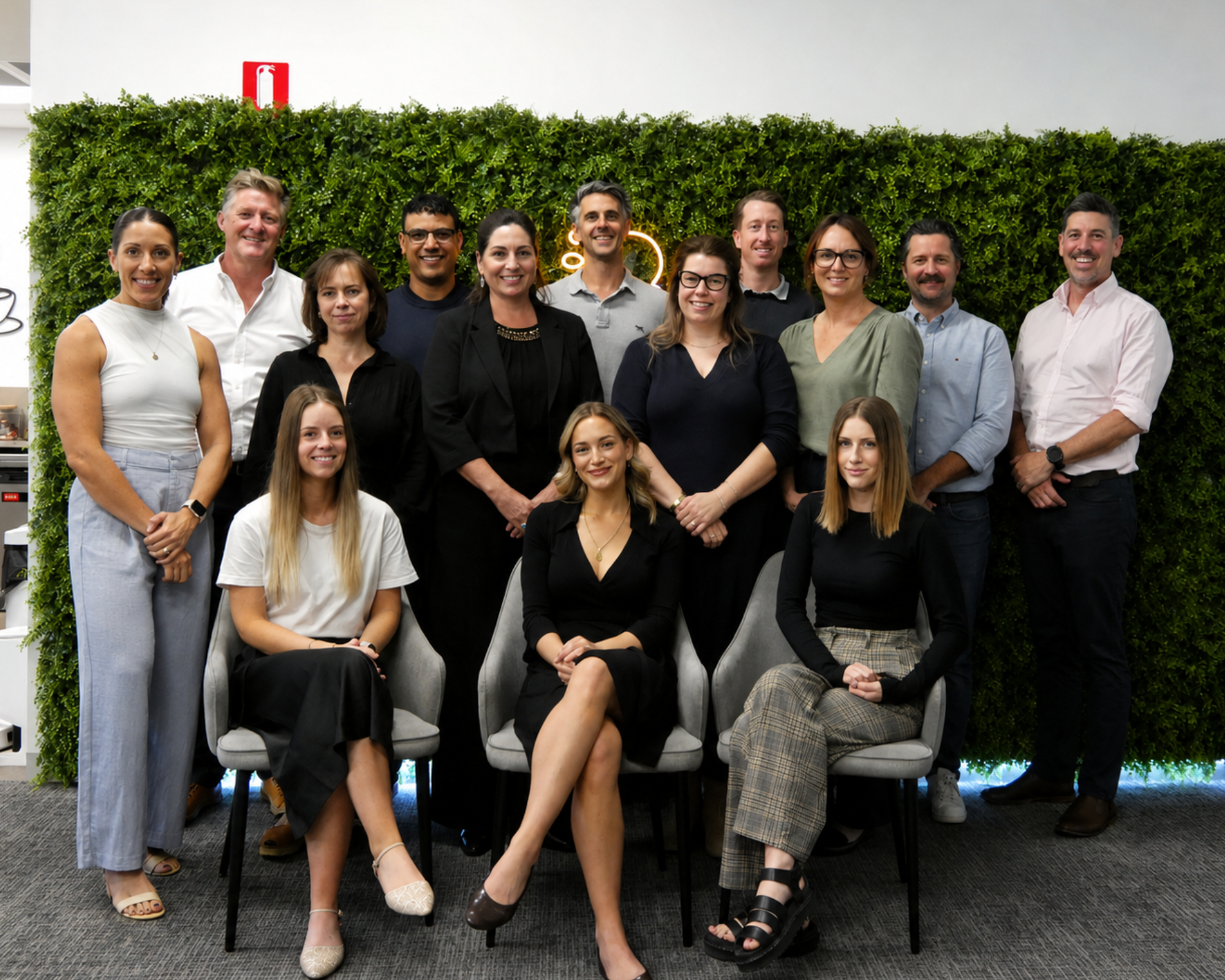
We built Bonza as a team, not a collection of individuals.
Our brokers are supported by dedicated business sales consultants, onboarding specialists and a marketing team. When a business comes to us, the people who provide clarity during the initial research and understanding phases, who prepare the listing, write the profile and get it to market are specialists who do that and nothing else. The broker's job is to sell the business and get it to settlement. No distractions, no competing priorities.
That structure is the reason the fee works. Specialists working to a defined process are faster and more consistent than a generalist doing eleven jobs at once, and the saving goes back to the seller rather than into the commission.
It also produces better marketing, because it's written by people who write listings every day rather than by a broker squeezing it in between inspections.
One Thousand Businesses Later
The model works.
We have now sold more than 1,000 businesses and we field over 1,000 buyer enquiries every week across Brisbane, Sydney, Melbourne and Perth. That enquiry volume matters more than any pitch we could make, because a business only sells when the right buyer sees it, and the number of buyers who see it is a direct function of how well it was marketed.
We are also licensed, which is worth saying plainly. Business broking is a field where the difference between operators can be significant and is not always visible from the outside.
Why This Matters More Right Now Than It Used To
Australia is heading into the largest transfer of small business ownership in its history.
Of roughly 2.5 million actively trading businesses, close to half are owned by someone over 50, and more than 500,000 are owned by people aged 60 or older. Research shows 48% of Baby Boomer owners plan to exit within one to five years, with the overwhelming majority citing retirement.
The concerning part is how few are ready. Just 16% of those planning to retire have a documented succession plan, and close to half of all owners considering an exit have no plan at all.
Around a third intend to use the sale proceeds as their primary retirement savings.
That last statistic is the one that should give the industry pause. If a third of retiring owners are funding their retirement from the sale, then every percentage point of commission is a percentage point off what they retire on. A 10% fee on a $600,000 business is not an abstract line item. It's a material reduction in someone's standard of living for the rest of their life.
The Point
We are not interested in being the cheapest for its own sake. We are interested in the fee being defensible.
Four per cent, a team built around getting your business sold rather than around finding the next listing, and 1,000 buyers a week looking at what we put in front of them. That is the whole proposition.
If you have been putting off the conversation because you assumed selling would cost you a fortune, it's worth getting the numbers in front of you. Our guide to selling a business in Australia walks through the full process and what to expect at each stage, and a free appraisal will tell you where your business sits before you commit to anything.
The industry has charged what it charges for a long time because nobody made it justify the number.
We think it should have to.